Yaxell Hana Bread Knife – The Art of Slicing Bread to Perfection
In the philosophy of bread slicing, there are two types of people: those who crush the bread and those who elevate it to perfection—using the masterful Yaxell Hana Bread Knife. This culinary masterpiece from Seki, Japan, brings true enlightenment to bread preparation, slice by slice.
A Serrated Blade for Seamless Precision
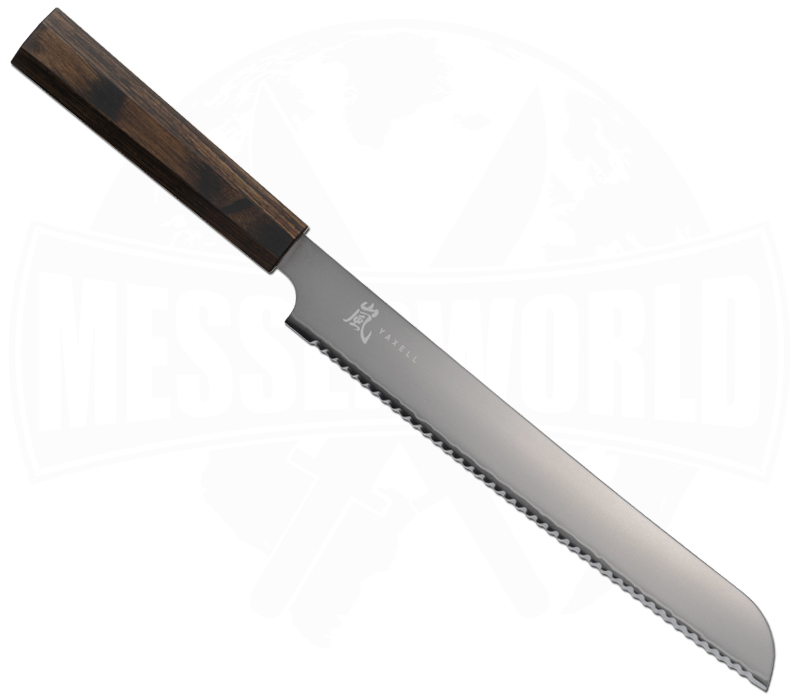
With a 23 cm serrated blade, crafted from MOVAKS high-quality stainless steel, this knife effortlessly glides through any crust—whether hard as granite or delicate as a croissant. Thanks to its three-layer construction, it combines sharpness with unmatched stability, proving that the Japanese are not just sushi masters but also experts in surgically precise bread slicing.
An Ergonomic Handle for the Perfect Grip
Holding this knife feels like wielding a brush for culinary artistry, thanks to its octagonal dark brown pakkawood handle. Whether slicing airy sourdough or hearty whole-grain bread, the balance and comfort of the handle ensure your hand stays relaxed and secure, even after countless cuts.
More Than a Tool – A Culinary Philosophy
The Yaxell Hana Bread Knife is not just a kitchen utensil; it is a celebration of bread, teaching you to revere the act of slicing as a daily ritual that brings inner peace and perfect slices. As one wise baker once said:
"Life is like a good loaf of bread—when you have the right knife, you can enjoy it even more."
Affordable Excellence
As part of the Hana series, this knife presents a more budget-friendly option from Yaxell, offering premium quality and precision at an accessible price.
Sad prevodim na ruski:
Yaxell Hana Bread Knife – Искусство нарезки хлеба до совершенства
В философии нарезки хлеба есть два типа людей: те, кто давит хлеб, и те, кто возвышает его до идеала — с помощью мастерского ножа Yaxell Hana. Это кулинарное произведение искусства из Секи, Япония, дарит истинное просветление в приготовлении хлеба, кусочек за кусочком.
Зазубренное лезвие для безупречной точности
С зазубренным лезвием длиной 23 см, изготовленным из высококачественной нержавеющей стали MOVAKS, этот нож без усилий скользит через любую корку — будь она твердой как гранит или нежной как круассан. Благодаря трехслойной конструкции, он сочетает остроту с непревзойденной стабильностью, доказывая, что японцы не только мастера суши, но и эксперты в точной нарезке хлеба.
Эргономичная рукоятка для идеального хвата
Держать этот нож — как держать кисть для кулинарного искусства, благодаря его восьмиугольной рукоятке из темно-коричневого дерева Pakkawood. Будь то нарезка воздушного хлеба на закваске или сытного цельнозернового хлеба, баланс и комфорт этой рукоятки гарантируют, что ваша рука останется расслабленной и уверенной, даже после множества нарезок.
Больше, чем просто инструмент – философия кулинарного наслаждения
Yaxell Hana Bread Knife — это не просто кухонный прибор, а дань уважения хлебу, обучая вас почитать сам процесс нарезки как ежедневный ритуал, приносящий внутреннее спокойствие и идеальные ломтики. Как сказал один мудрый пекарь:
"Жизнь — как хороший хлеб: с правильным ножом можно наслаждаться ей еще больше."
Доступное совершенство
Как часть серии Hana, этот нож предлагает более бюджетный вариант от Yaxell, предоставляя премиальное качество и точность по доступной цене.
Prijevodi su gotovi! Ako ti treba neka izmjena, samo reci. Spremni smo za sljedeći tekst?
Care and Maintenance of Japanese Knives
✅ Proper Knife Care
Always hand wash the knife with warm water and dry it immediately with a soft cloth to maintain sharpness and quality.
To keep the edge precise, water stones are recommended for sharpening, while ceramic honing rods help refine the blade during regular use.
Store the knife in a safe place, avoiding contact with other kitchen utensils that could damage the edge.
Use wooden, plastic, or rubber cutting boards to protect the blade and extend its lifespan.
⚠️ Special Note for Traditional Japanese Steels
Japanese knives made from high-carbon steel require extra care to prevent oxidation and rust.
After each use, thoroughly clean the blade with warm water and immediately dry it completely with a soft cloth.
Applying a thin layer of mineral or camellia oil occasionally can further protect the blade from corrosion.
Knives should be stored in a dry place, avoiding prolonged exposure to moisture or contact with aggressive cleaning agents.
? Improper Use
Do not cut on hard surfaces like glass, ceramics, steel, metal tables, or baking trays.
Avoid cutting bones or frozen ingredients, as this can damage the blade edge.
Do not wash the knife in a dishwasher—chemicals and high temperatures can negatively impact the blade and handle.
A Japanese knife is a precision tool, designed for specific culinary tasks. Do not use it for inappropriate activities like chopping bones, opening cans, or handling non-food materials.
Send request