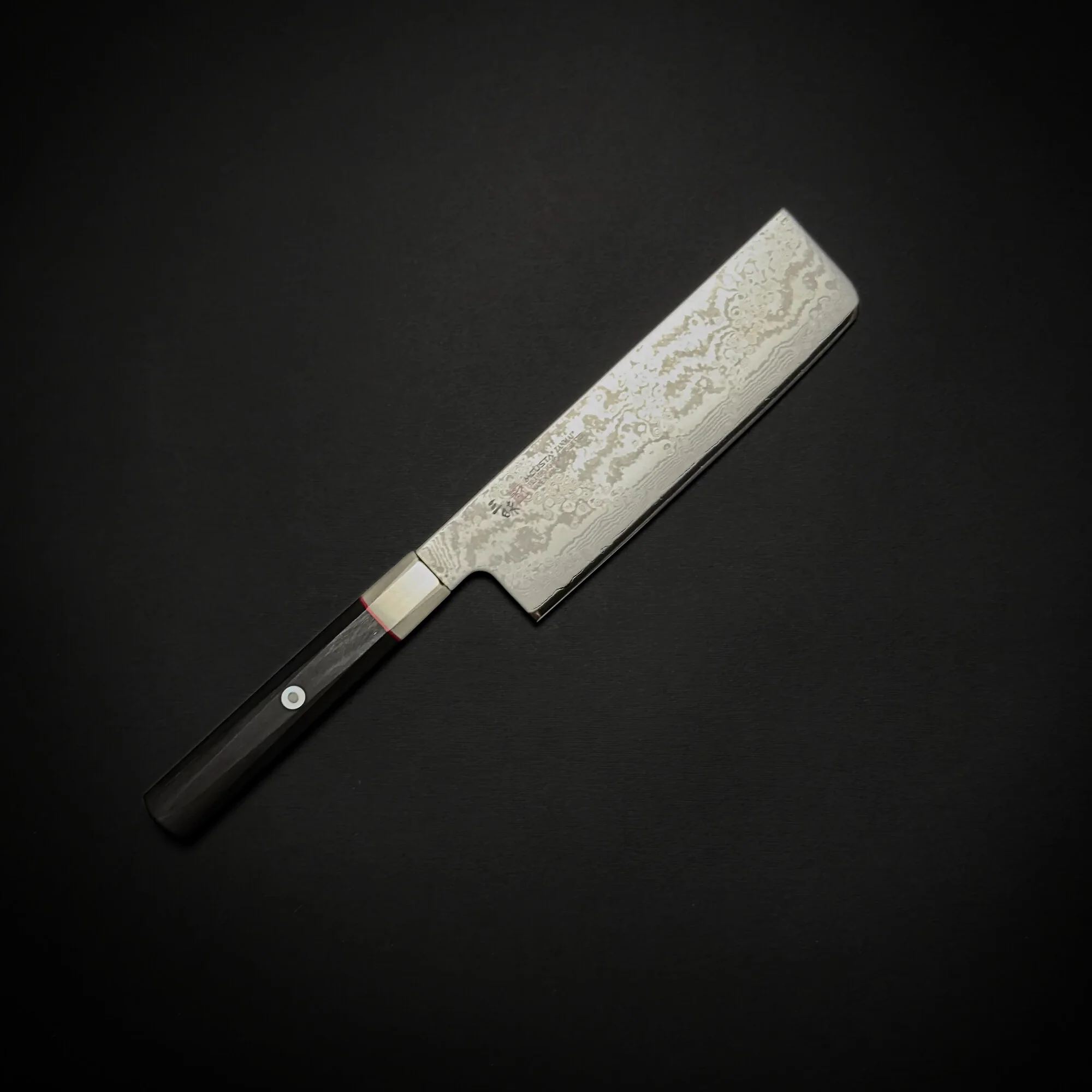
The Mcusta Hybrid Splash series blends the forging tradition of Seki City with modern innovation, resulting in refined craftsmanship and exceptional quality. In addition to the signature Zanmai finish, this series features uniquely developed Damascus patterns—more intricate than in other Mcusta lines—making each knife a one-of-a-kind piece.
From shimmering mother-of-pearl accents to a mirror-polished blade, Hybrid Splash is a favorite among Damascus enthusiasts.
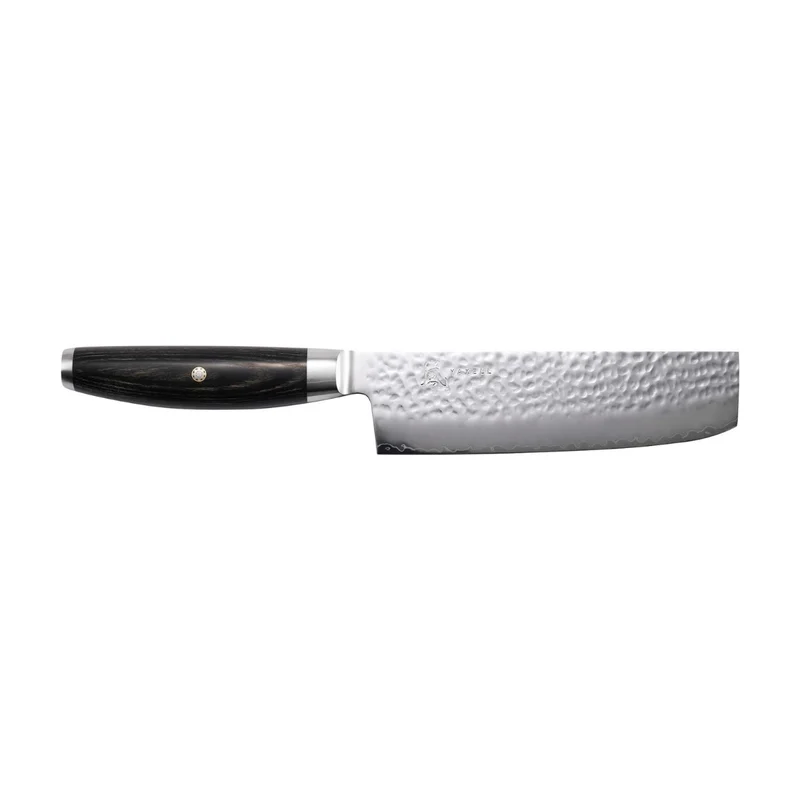
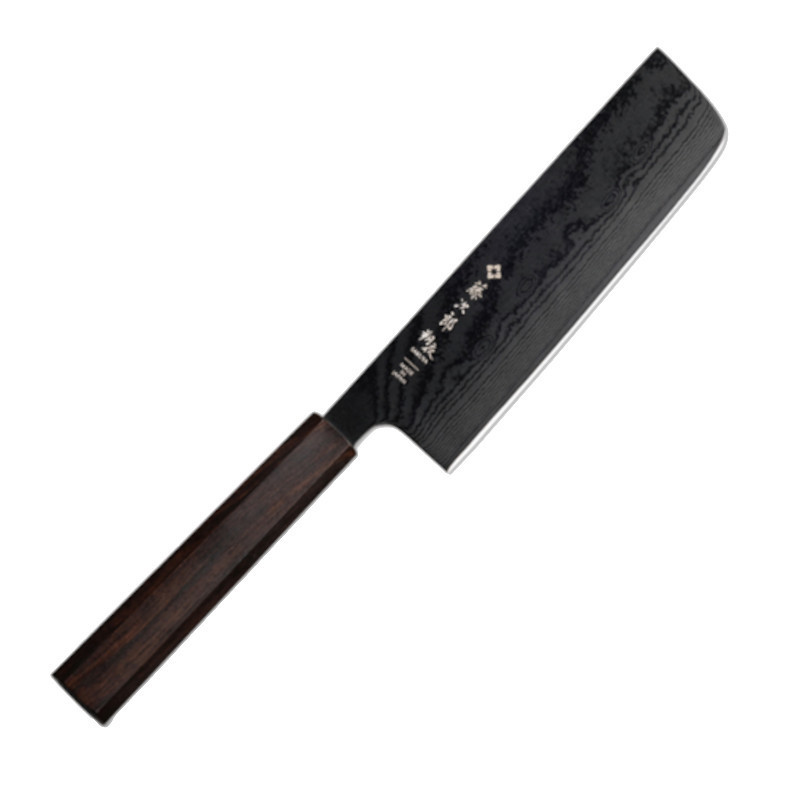
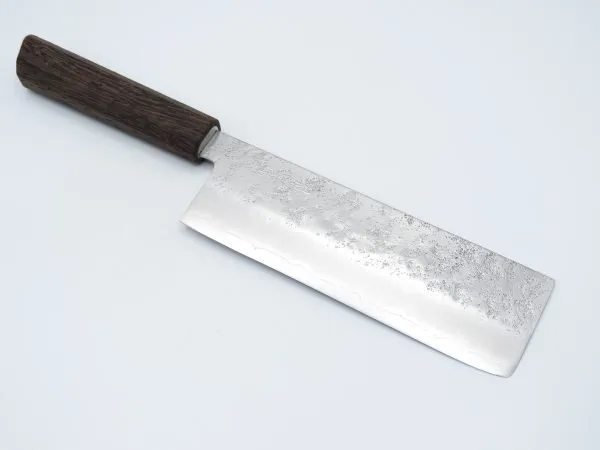
The Nakiri knife is designed primarily for vegetable preparation. Its flat, thin blade makes broad contact with the cutting board and effortlessly slices through even the toughest produce. While ideal for vegetables, Nakiri is versatile enough for other kitchen tasks.
This series features a sophisticated 33-layer Damascus steel construction, with a VG10 steel core. The slim spine and finely honed edge deliver a cutting experience that feels almost laser-like.
The Hybrid Splash handle is simple yet ergonomic, crafted from non-slip pakkawood. Its hexagonal shape transitions into a rounded grip, preventing slippage—even with wet hands. A red decorative spacer, secured by a stainless steel collar and minimalist pin, adds both elegance and stability.
When you choose Mcusta, you're not just buying a knife—you're investing in lasting value for future generations.
✅ Proper Maintenance
Hand wash the knife with warm water and dry it immediately with a soft cloth to preserve its sharpness and material integrity.
For long-term precision, use whetstones for sharpening, while ceramic honing rods are excellent for fine edge adjustment during use.
Always store the knife properly to avoid contact with other kitchen tools and potential damage.
Use wooden, plastic, or rubber cutting boards, which are gentler on the edge and help extend the blade's lifespan.
⚠️ Special Note on Traditional Japanese Steels
Japanese knives with high-carbon steel blades require special care to prevent oxidation and rust formation.
After each use, wash thoroughly with warm water and dry immediately with a soft cloth.
Occasionally apply a thin layer of mineral or camellia oil to the blade for added corrosion protection.
Store knives in a dry place, avoiding prolonged exposure to moisture or contact with aggressive cleaning agents.
? What to Avoid
Do not use the knife on hard surfaces such as glass, ceramics, steel, metal tables, or baking trays.
Do not cut bones or frozen ingredients, as this can damage the edge.
Do not wash the knife in a dishwasher — chemicals and high temperatures can compromise the blade and handle.
A Japanese knife is a precision instrument designed for specific culinary tasks. Do not use it for unsuitable activities such as cutting bones, opening cans, or working with hard materials.
Send request