Maintenance and Sharpening of Japanese Knives
How to Get the Most Out of High-Quality Japanese Knives
Japanese knives are renowned for their exceptional sharpness, precision, and durability, but they require proper care to maintain their peak performance. This guide explains key aspects of sharpening, types of water stones, additional tools, and the differences between single- and double-beveled knives.
Why Is Sharpening Important?
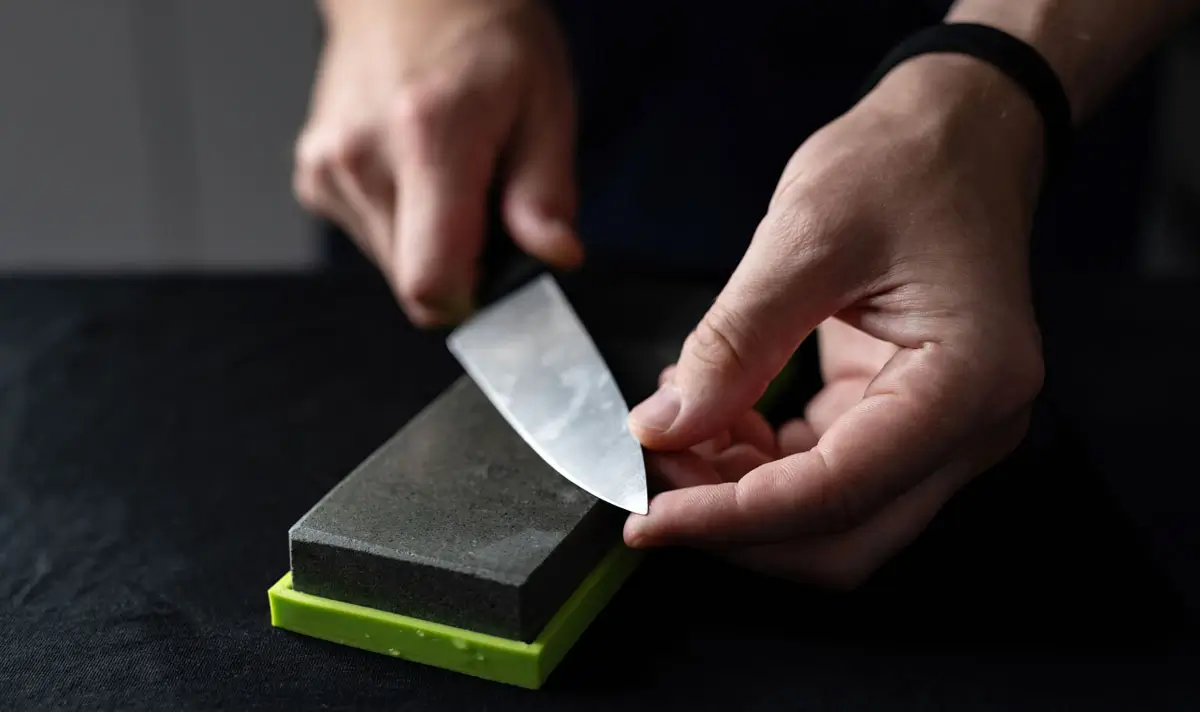
One of the biggest advantages of Japanese knives compared to others lies in their steel structure—greater hardness means slower edge wear, better sharpness, and easier resharpening. Sharpening with Japanese water stones is the best way to preserve the knife’s longevity—this method removes only a minimal amount of steel, prolonging the knife’s lifespan and allowing it to be used throughout an entire professional career and even passed down to future generations.
Types of Water Stones and Grit Levels
Japanese whetstones come in various grit levels, each serving a specific purpose:
Coarse grit (220–500) – Used for repairing damaged or fully dulled blades.
Medium grit (1000) – Ideal for basic sharpening and edge maintenance.
Fine grit (3000–6000) – Used for edge refinement and polishing.
Ultra-fine grit (8000+) – Produces an ultra-smooth edge, ideal for sashimi knives and razors.
Before use, soak the stone in water for several minutes to allow it to absorb an optimal amount of moisture for sharpening. During the process, add water as needed.
Additional Sharpening Accessories
Besides whetstones, helpful accessories include:
Leather strops – Remove micro-imperfections and burrs, refining the edge after sharpening.
Stone flatteners – Maintain a flat sharpening surface for precision.
Angle guides – Assist beginners in keeping a consistent 15-degree angle until they develop proper sharpening movement.
Sink bridges or stone holders – Securely hold the stone for a more comfortable sharpening experience.
Ceramic honing rods – Ideal for daily edge maintenance without causing damage.
Difference Between Single- and Double-Beveled Knives
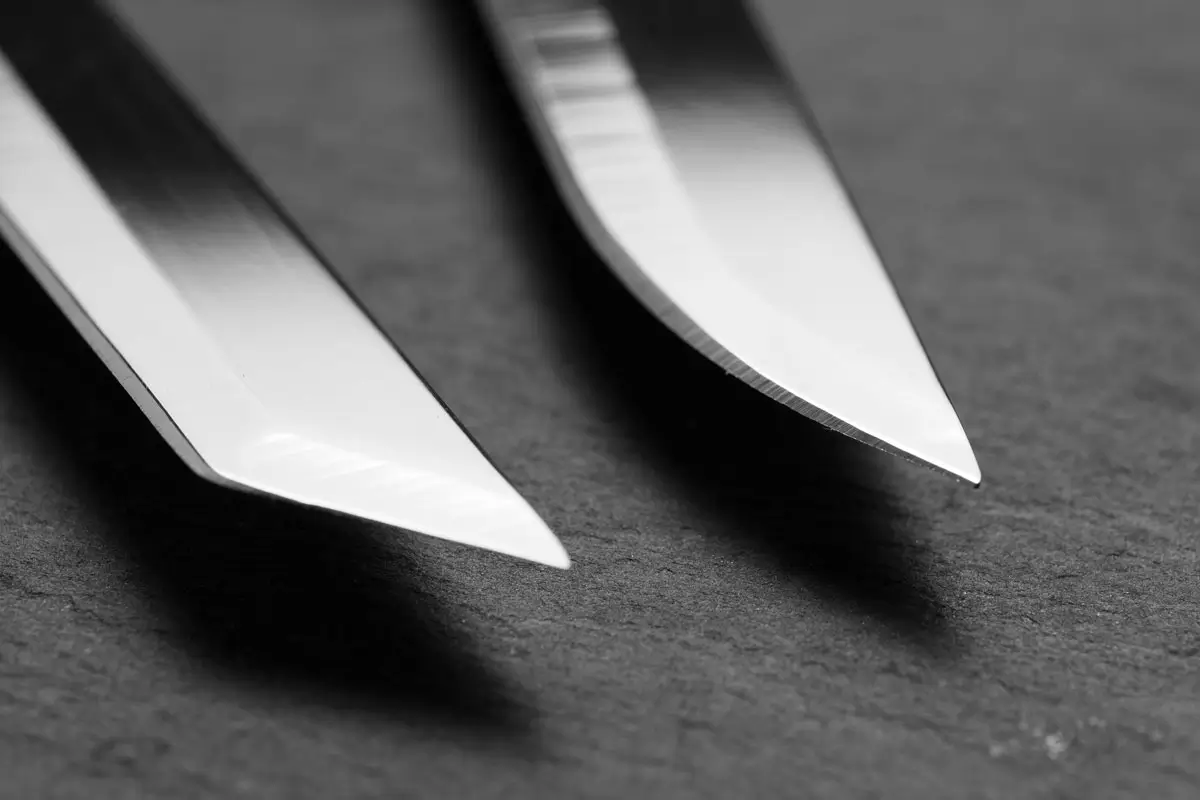
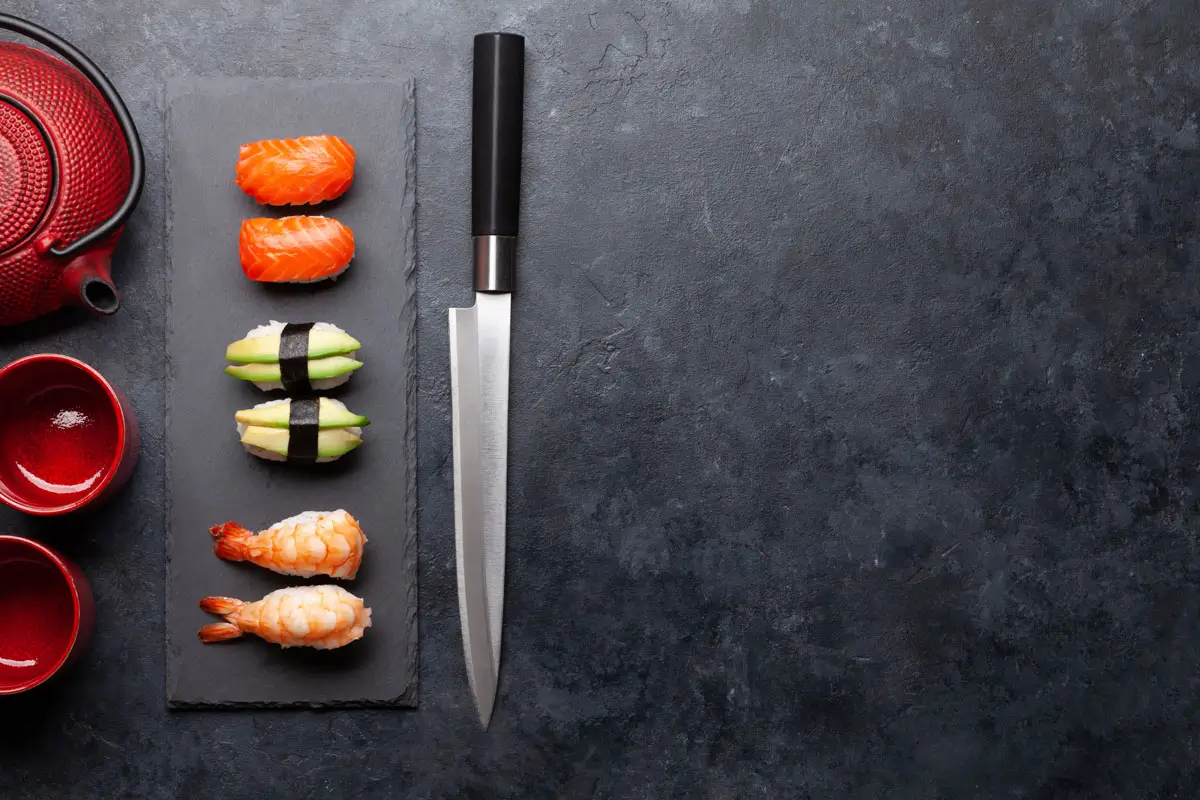
Single-beveled knives (Yanagiba, Deba, Usuba) – Provide exceptional precision, perfect for sashimi and filleting.
Double-beveled knives (Gyuto, Santoku) – Have symmetrical edges or 70/30 bevels, making them more versatile for everyday use.
Proper Knife Storage and Maintenance
Do not wash in a dishwasher – High temperatures and chemicals can damage the blade and handle.
Store knives on magnetic racks or in protective sheaths.
Clean and dry immediately after use to prevent corrosion.
High-carbon steel knives should be periodically coated with camellia oil for long-term protection.
Use quality cutting boards—avoid metal, hard plastic, bamboo, and stone surfaces.
Japanese knives are exclusive precision tools, akin to sports cars—they excel on the proper surface but are not meant for harsh environments. With proper maintenance and occasional sharpening, you will always enjoy flawless food preparation!
Sharpening Service at Santoku Montenegro
For professional sharpening, Santoku Montenegro offers traditional Japanese knife sharpening using water stones. Prices vary depending on the knife’s condition, whether it requires basic maintenance or major repairs.
Visit us for expert advice and top-tier sharpening service!
Write to us at info@santoku.me