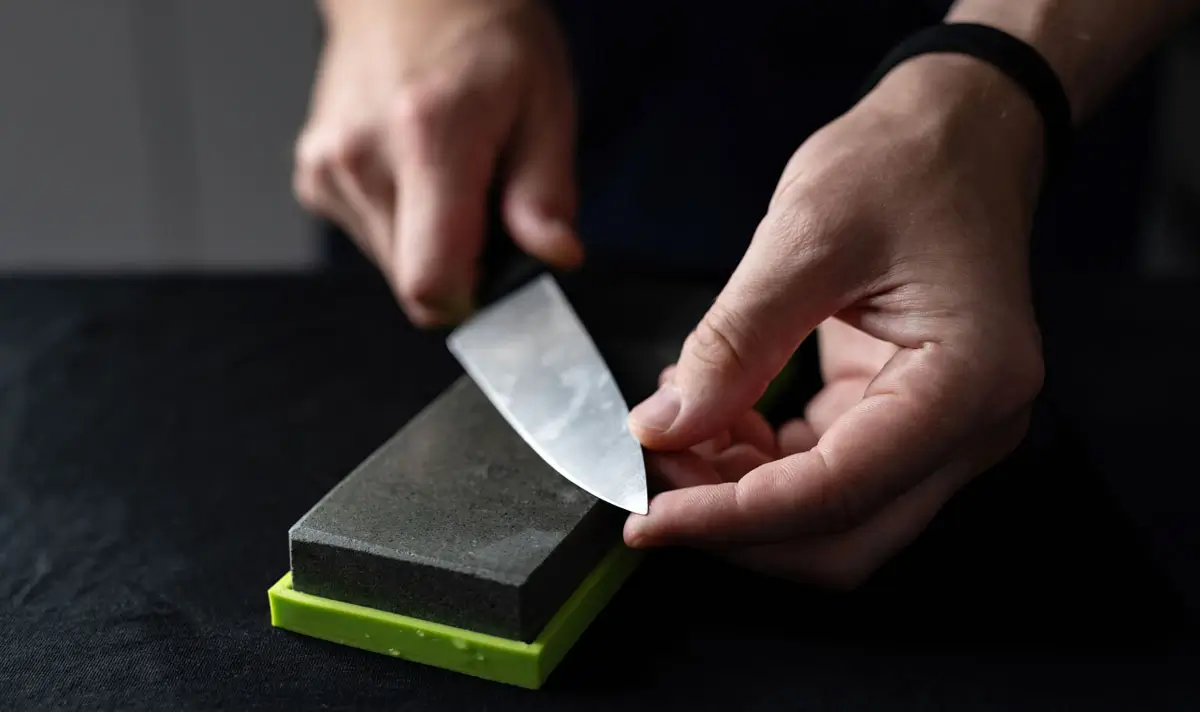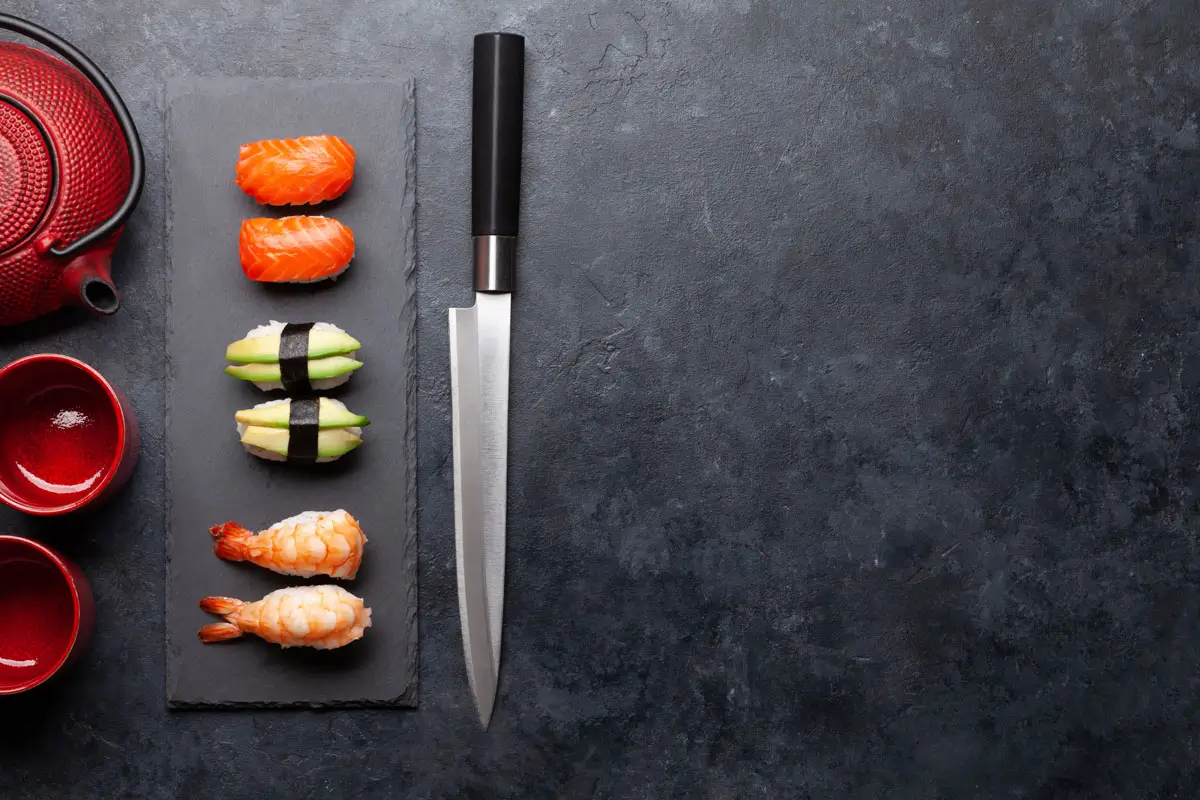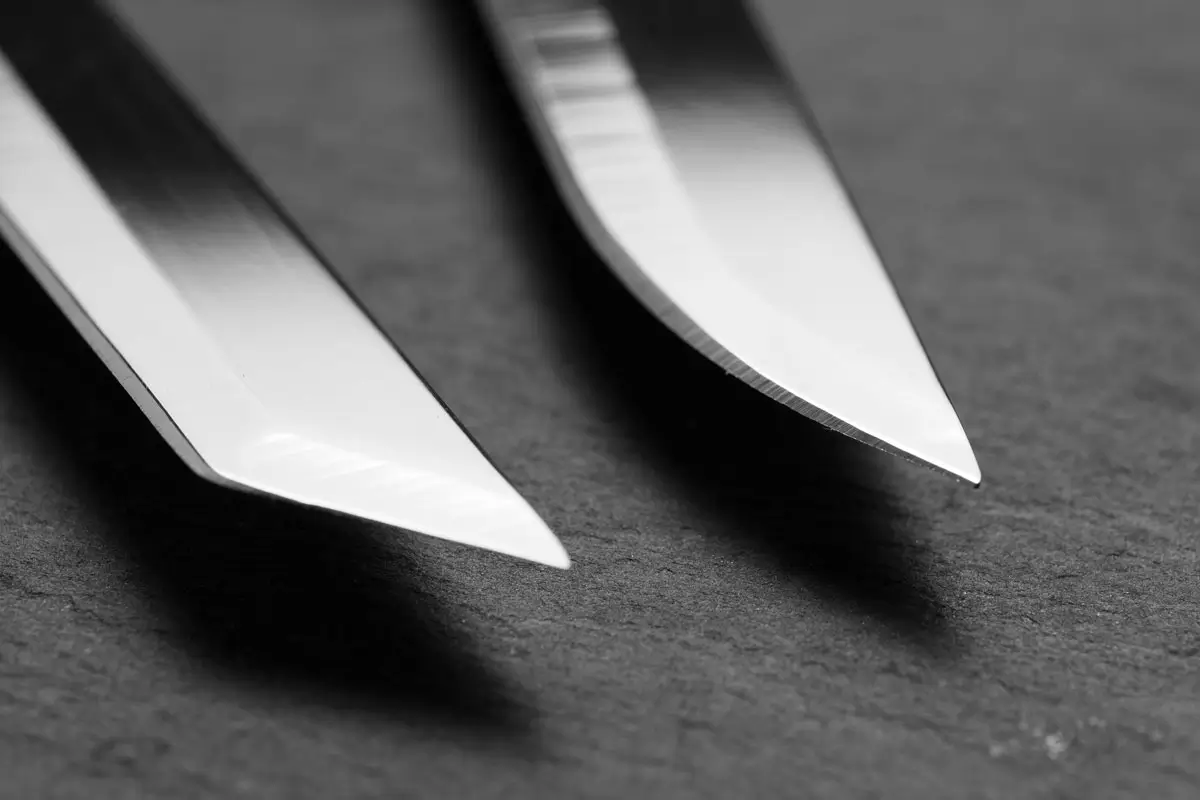
Japanese knives typically have a 15° blade angle, making them exceptionally sharp and precise. This design provides a fine balance between sharpness and durability, ensuring that every cut is precise and controlled. The specific angle plays a key role in maintaining the quality of the cut, which is vital in a professional kitchen.
The angle of the blade directly affects the performance of the knife. A thinner angle allows for easier penetration of the material and reduces resistance when cutting, resulting in cleaner and more precise cuts. However, with a smaller angle comes the need for more regular maintenance, as a thinner edge is more prone to wear and tear. For this reason, chefs must be very careful about the proper use and sharpening of their knives.
The benefits of a precisely adjusted angle are manifested in everyday use. Some of the main benefits include:
Impact on the professional kitchen
For top chefs, every detail matters. The angle of the blade is one of the key factors that affects the final result. The use of Japanese knives in professional kitchens allows for more efficient work, better precision and more even cooking. In addition, maintaining the correct angle of the blade ensures consistent performance, which is crucial in the dynamic environment of restaurants and catering.
Using knives with a specific angle requires some training and attention:
The angle of the blade is not only a technical parameter, but represents the core of the functioning of the Japanese knife. Its careful control and maintenance ensures that every cut is executed perfectly, which is of utmost importance for professionals and home enthusiasts alike. With a clear understanding and proper technique, this specific angle allows preserving tradition, innovating in the kitchen and enjoying every slicing movement.