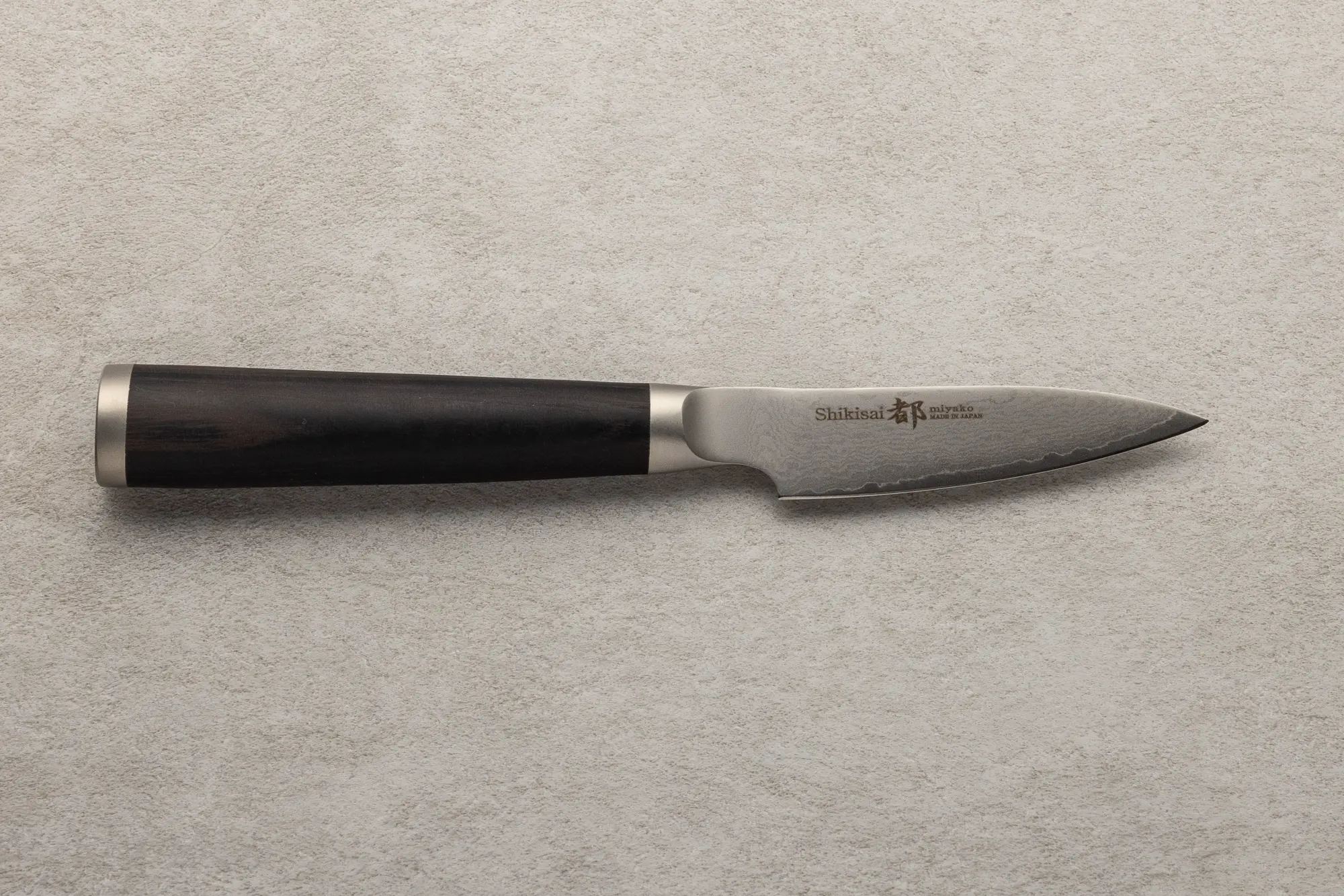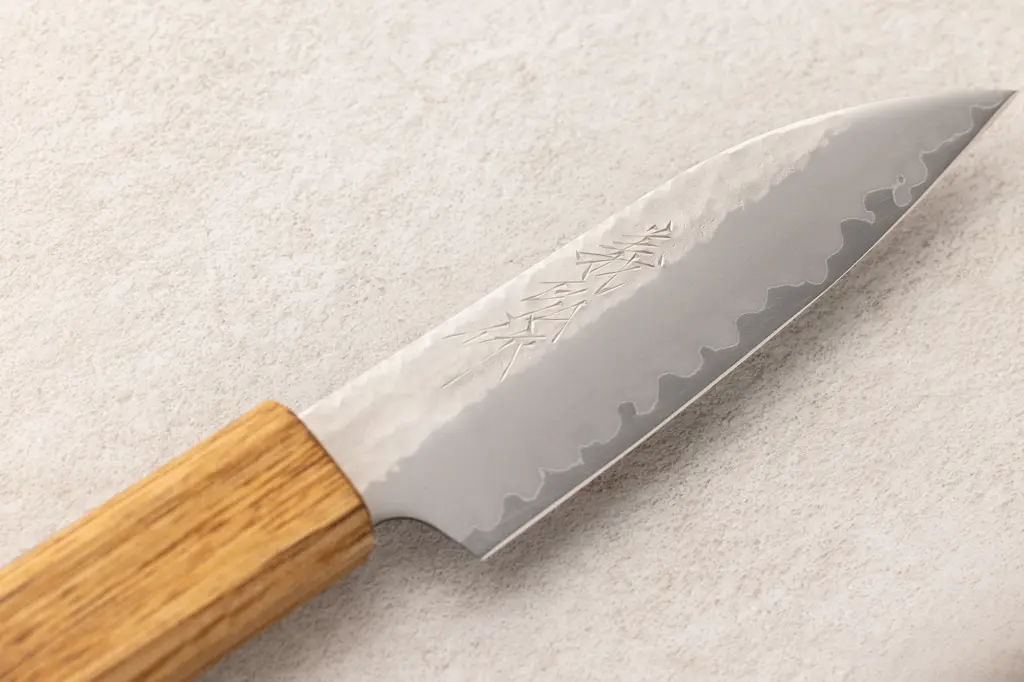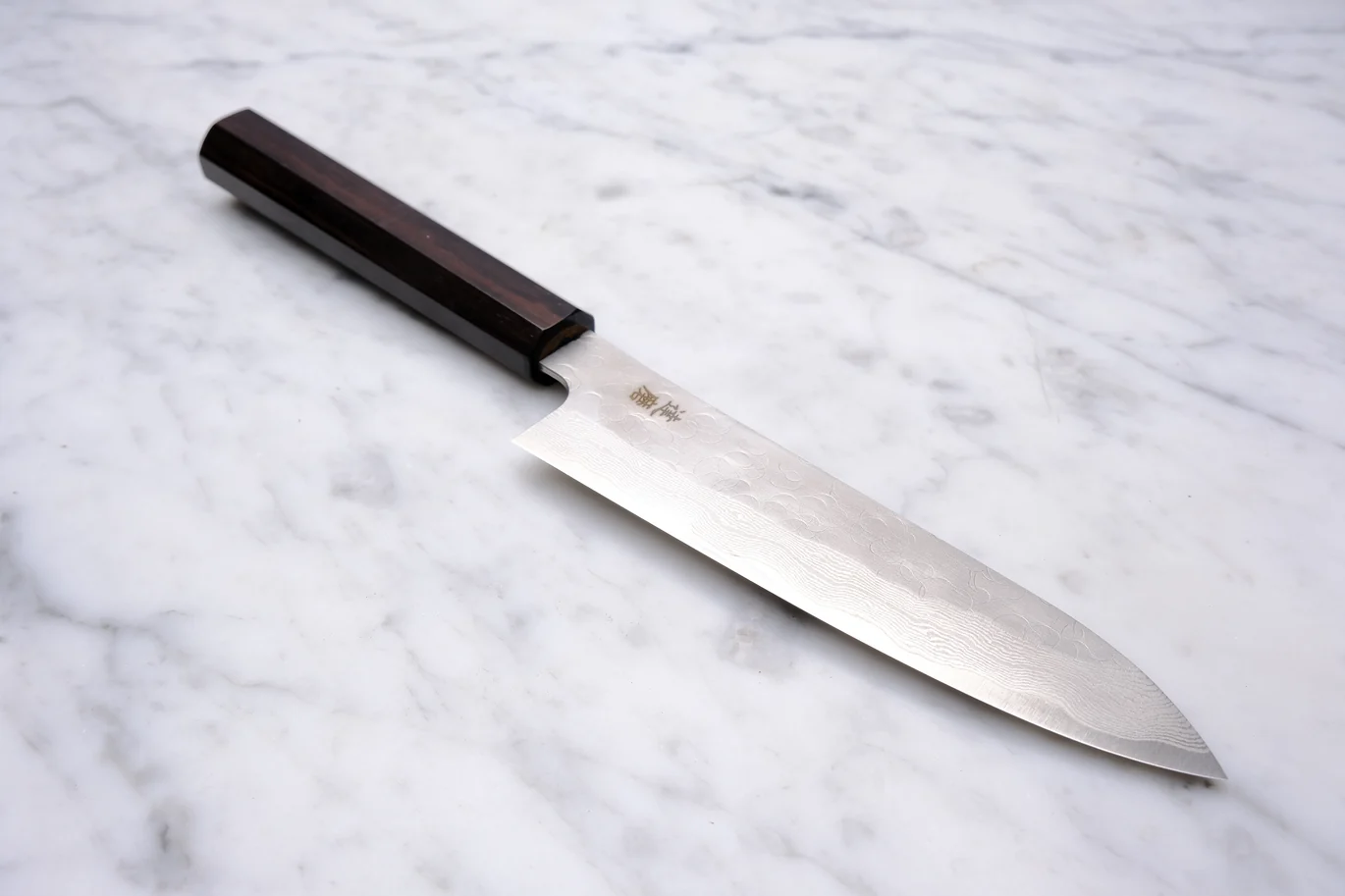
Shizu Hamono GEN Utility 160 mm — Back at Santoku Montenegro!
We are pleased to welcome Shizu Hamono back to the Santoku Montenegro collection, bringing together Japanese craftsmanship, quality materials and functional design.
The GEN Utility 160 mm is a versatile kitchen knife positioned between a smaller Petty knife and a full-size Gyuto or Santoku. Its compact blade offers excellent control, precision and manoeuvrability, making it a practical choice for everyday kitchen tasks.
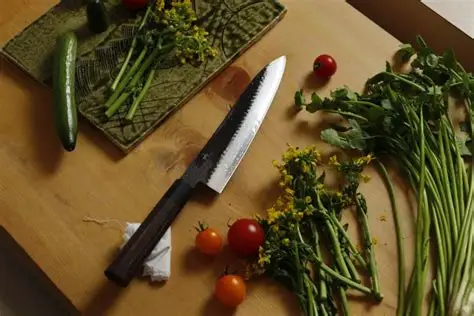
The Utility shape is particularly useful for cutting smaller portions of meat, slicing and trimming, preparing fruit and vegetables, and handling detailed tasks where a larger chef’s knife may feel less convenient. With a 160 mm blade, it offers a comfortable balance between precision and versatility.
The blade is made from high-quality VG10 stainless steel, valued for its ability to achieve excellent sharpness and precise cutting performance. The GEN series combines a clean, understated design with everyday practicality.
Key features:
Brand: Shizu Hamono
Series: GEN
Knife type: Utility
Blade length: 160 mm
Steel: VG10 stainless steel
Best suited for: precise cutting of meat, fruit, vegetables and smaller ingredients
Shizu Hamono GEN Utility 160 mm — Japanese precision and control in every cut.
Available again at Santoku Montenegro!
Care and Maintenance of Japanese Knives
✅ Proper Knife Care
Always hand wash the knife with warm water and dry it immediately with a soft cloth to maintain sharpness and quality.
To keep the edge precise, water stones are recommended for sharpening, while ceramic honing rods help refine the blade during regular use.
Store the knife in a safe place, avoiding contact with other kitchen utensils that could damage the edge.
Use wooden, plastic, or rubber cutting boards to protect the blade and extend its lifespan.
⚠️ Special Note for Traditional Japanese Steels
Japanese knives made from high-carbon steel require extra care to prevent oxidation and rust.
After each use, thoroughly clean the blade with warm water and immediately dry it completely with a soft cloth.
Applying a thin layer of mineral or camellia oil occasionally can further protect the blade from corrosion.
Knives should be stored in a dry place, avoiding prolonged exposure to moisture or contact with aggressive cleaning agents.
? Improper Use
Do not cut on hard surfaces like glass, ceramics, steel, metal tables, or baking trays.
Avoid cutting bones or frozen ingredients, as this can damage the blade edge.
Do not wash the knife in a dishwasher—chemicals and high temperatures can negatively impact the blade and handle.
A Japanese knife is a precision tool, designed for specific culinary tasks. Do not use it for inappropriate activities like chopping bones, opening cans, or handling non-food materials.
Send request